
Carbon Filtration Systems in Houston, TX
A whole-home carbon filter strips chlorine taste and odor at every tap in the house, and pairs naturally with softening and reverse osmosis. It's the direct fix for disinfection byproducts — the region's dominant water story as more of the metro converts to chlorinated surface water. We install premium, NSF-certified carbon systems at an honest upfront price, starting with a free in-home water test.
- Transparent, upfront pricing
- Honest recommendations
- Free in-home water test
Carbon Filtration for Houston-Area Water
-
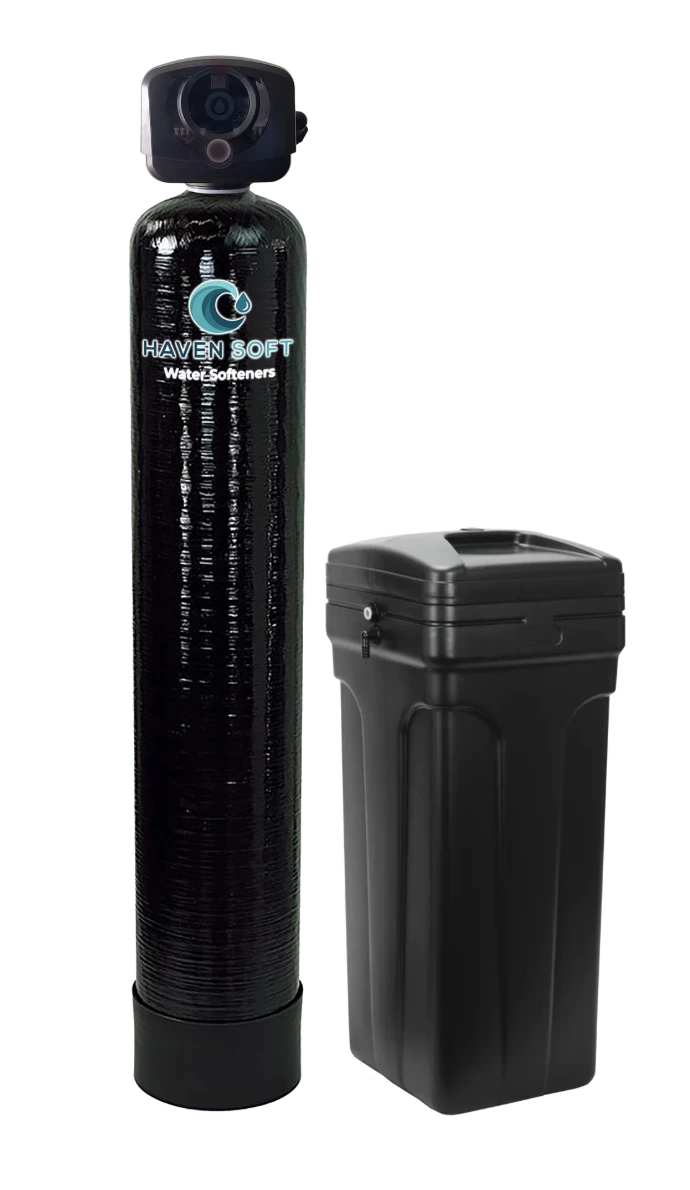
Activated carbon at the main line. A whole-home carbon tank adsorbs chlorine and the compounds behind taste and odor, so every tap pours fresher-tasting water — not just the kitchen.
-
A natural partner to softening. Carbon handles taste, odor and disinfection byproducts while a softener handles hardness — together they cover the two most common complaints in one main-line system.
-
Low-fuss, long-lived media. Quality carbon media runs for years before it needs attention. We size the tank to your water use and show you the simple maintenance rhythm.
Why Carbon Fits the Region's Chlorinated Water
-
Chlorine is added on purpose. Houston-area utilities chlorinate to disinfect their mostly-surface-water supply — necessary for safety, but it leaves the taste and smell many homeowners want gone. Carbon removes it after it has done its job.
-
Disinfection byproducts add up. Most of what EWG flags above its health guidelines regionally comes from disinfection byproducts. Carbon filtration reduces these at home, on top of meeting every legal limit.
-
Protects an RO membrane, too. Chlorine shortens the life of reverse-osmosis membranes. A carbon stage ahead of RO protects that investment — one reason the two are so often installed together.
Get cleaner Houston-area water at an honest, upfront price.
Request a Free ConsultationFree in-home water test · Honest pricing · No obligation
Carbon Filtration in Houston — Common Questions
What does carbon filtration actually remove?
Activated carbon adsorbs chlorine and the compounds behind taste and odor, including the disinfection byproducts EWG flags above its health guidelines regionally. It is the fix when water tests fine but still smells or tastes of chlorine.
Is carbon filtration different from a softener?
Yes — carbon targets chlorine, taste and disinfection byproducts; a softener removes the minerals that make water hard. Homes on harder groundwater often run both.
Will it help with the chlorine smell in the shower?
Yes. Because it treats water at the main line, it reduces chlorine taste and odor at every tap and showerhead, not just the kitchen sink.
Should I combine carbon with reverse osmosis?
They complement each other well — whole-home carbon protects an RO membrane by removing the chlorine that would otherwise shorten its life. Many homes run both.
Carbon Filtration Across Greater Houston
Velen Home installs whole-home carbon filtration across Houston and the metro, wherever chlorine taste and disinfection byproducts are the complaint — including The Woodlands and Pearland. A water quality review confirms what your tap carries.